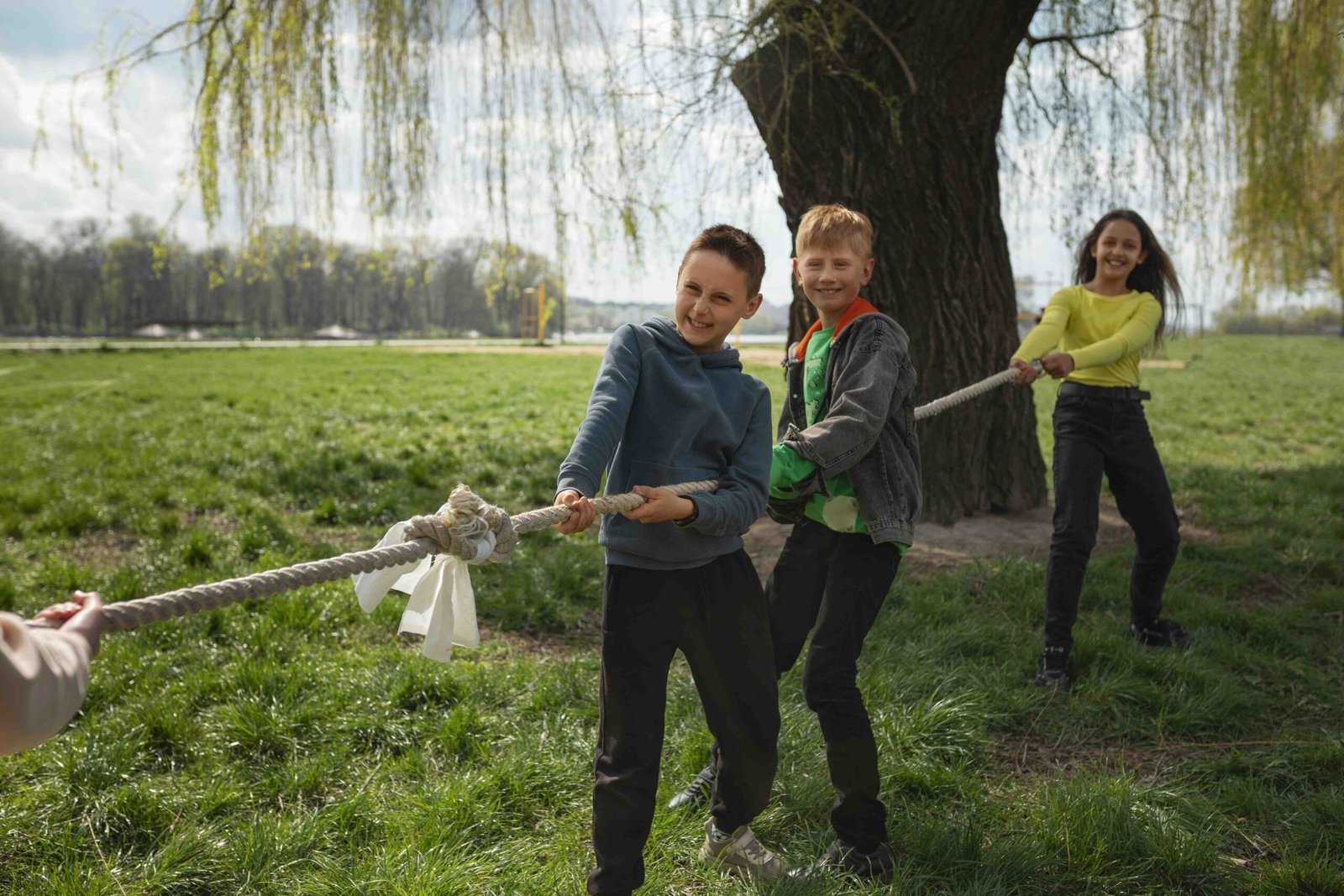
The world changes when people organize — massively, openly, and together

MOO.NGO is a resource hub for NGOs and civil society organizations that want to mobilize at scale: building the distributed organizing structures, developed leadership, and integrated digital-relational infrastructure that turn individual supporters into organized participants, and organized participants into a movement.

Massive Open Organizing (MOO) is the discipline of building and sustaining large-scale civic participation — open to all, distributed in its structure, and capable of growing far beyond the capacity of any single organization to manage centrally. It draws on the traditions of community organizing (Alinsky, Ganz, Midwest Academy), distributed movement building (Sunrise, Black Lives Matter, the Open Wing Alliance), and the best evidence-based digital organizing practice to provide NGOs with a coherent, practical framework for scaling their impact.

We believe — and the research supports — that genuine organizing is fundamentally different from digital engagement, social media following, or petition database management. Organizing produces active participants, developed leaders, genuine relationships, and sustained commitment. The other activities are valuable but different. MOO.NGO is built to help organizations develop the real thing.

What You'll Find Here

Our Values

We believe that organizing — the slow, relational, human work of building genuine community and collective power — is the most consequential investment a civil society organization can make. We believe in distributed leadership: that the goal of organizing is not to manage large numbers of passive supporters but to develop large numbers of active leaders. We believe that digital tools are organizing's infrastructure, not its substitute — that technology amplifies relational organizing and that relational organizing remains the irreducible foundation of everything. And we believe that open organizing structures — that genuinely welcome participation across a wide spectrum of commitment levels and provide real pathways to deeper engagement for everyone — are more effective, more equitable, and more durable than exclusive, high-barrier organizing models.

GUIDES

Understanding Massive Open Organizing

The conceptual foundations and evidence base: what makes organizing “massive” and “open,” the architecture of scale (distributed leadership, fractal structure, clear entry points), the human infrastructure of MOO (participants → volunteers → leaders → backbone staff), the three motivational pillars (values, relationships, agency), the critical distinction between organizing and digital activism/slacktivism, and a five-dimension MOO readiness assessment. With case vignettes on the Sunrise Movement’s distributed hub architecture and the Open Wing Alliance’s open corporate campaign model.

Read More

The practitioner’s handbook for MOO architecture: designing a five-level participation ladder with transition mechanisms, mastering the one-on-one organizing conversation (the most important skill in the MOO toolkit), building functioning small groups (the irreducible unit of mass organizing), developing public narrative infrastructure (Ganz’s Story of Self, Story of Us, Story of Now), designing accountability structures that convert organizing energy into organized action, and sustaining long campaigns through celebration, renewal gatherings, and leadership succession planning. Full templates: Participation Ladder, One-on-One Conversation Guide, Small Group Agenda, Public Narrative Workshop.

Read More

The digital layer of MOO: building your infrastructure stack (CRM, email and SMS, peer-to-peer tools, event management), mastering segmentation and personalization (the dynamic ask that evolves with participant engagement level), designing peer-to-peer organizing infrastructure, managing data with ethics and discipline (including a detailed data ethics breach case study and repair process), integrating digital and in-person organizing (digital-to-in-person pathways, post-event digital workflow), and measuring what matters — the organizing metrics hierarchy that distinguishes genuine organizing outcomes from digital vanity metrics.

Read More